



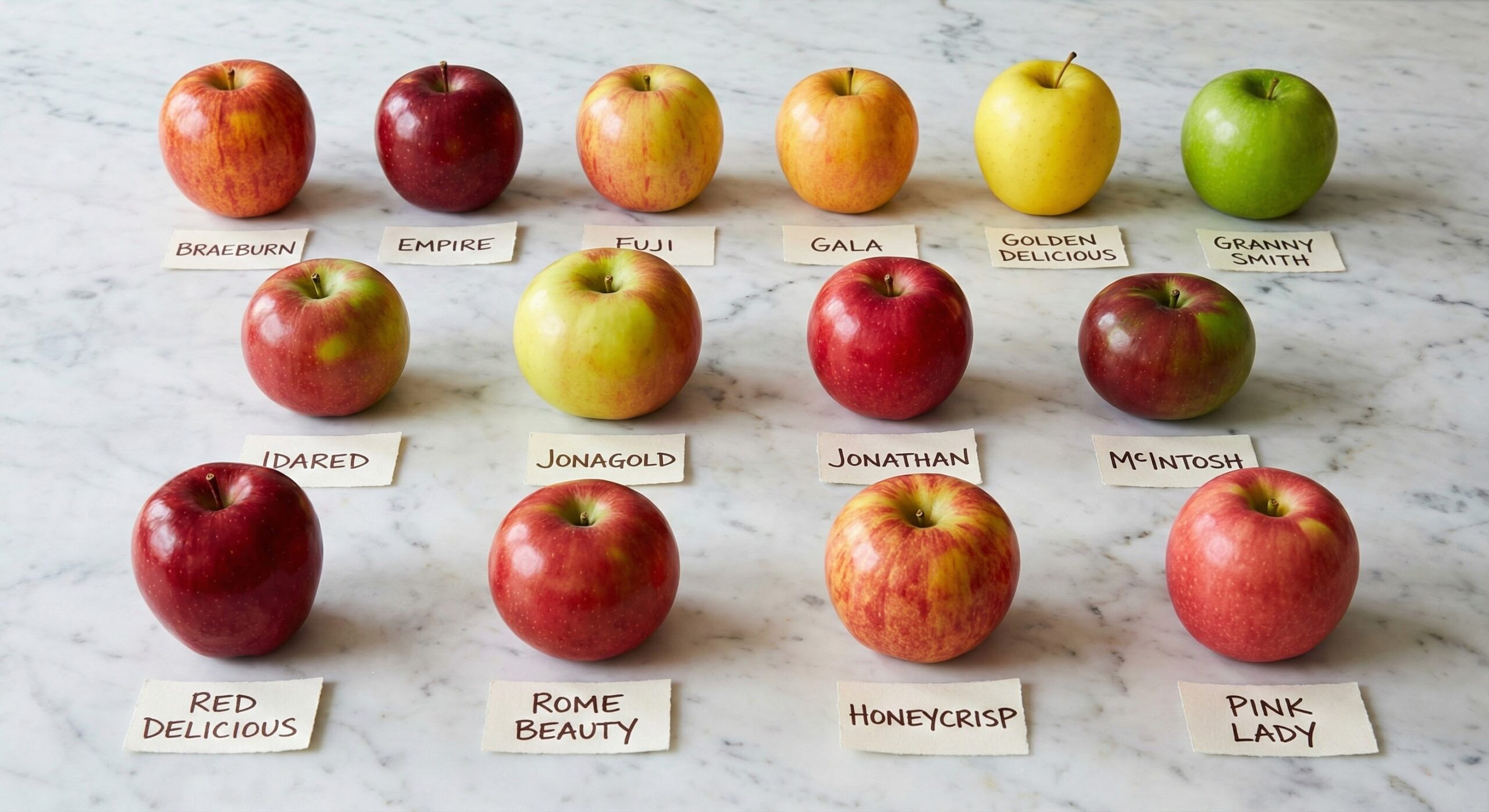
Apples are one of the most versatile and beloved fruits in the world, with over 7,000 varieties grown globally and more than 2,500 cultivated in the United States alone. Whether you’re shopping at the farmers market, baking a pie, crafting homemade applesauce, tossing apples into salads, or looking for the perfect snacking apple, each variety has a unique flavor profile, texture, ideal use, and seasonal rhythm. From crisp and sweet to tart and tangy, understanding these differences helps you pick the right apple for every recipe and palate. In this guide, we dive deep into the most common apple types — describing their tastes, textures, colors, storage tips, and perfect culinary uses — so you can confidently choose the best apple for your needs.
Braeburn
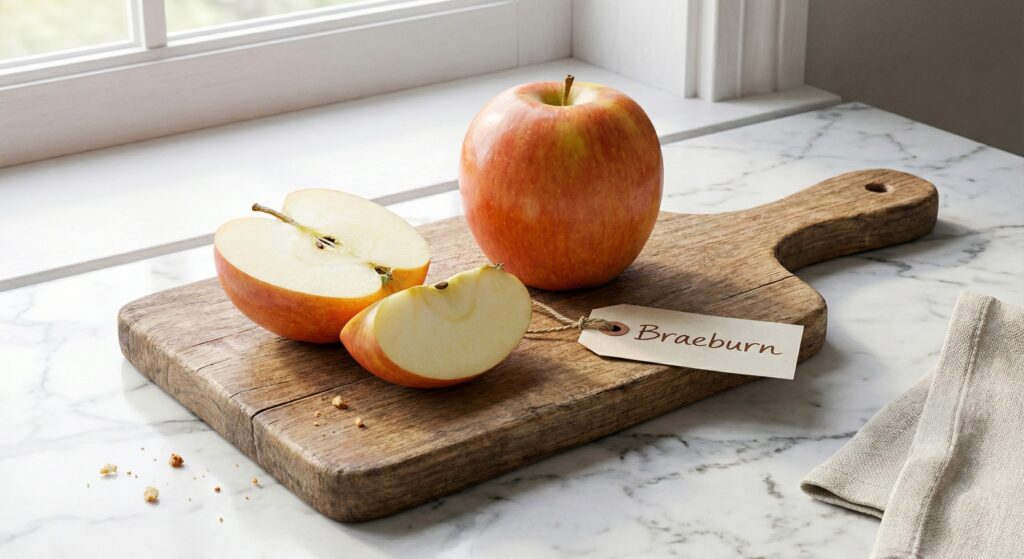
Braeburn apples are beloved for their rich, spicy-sweet flavor and a perfect balance of crispness and juiciness. Originally from New Zealand, this apple holds up well both fresh and when cooked, making it one of the most versatile all-purpose apples you can buy. The skin often showcases vibrant orange tones mixed with red over a golden backdrop, and the firm flesh makes Braeburn ideal for baking tarts, sautés, and layered desserts or sliced for cheese boards and lunchboxes. Pair with cinnamon or nutmeg for fall desserts, and don’t be afraid to experiment with them in savory dishes, too.
Empire
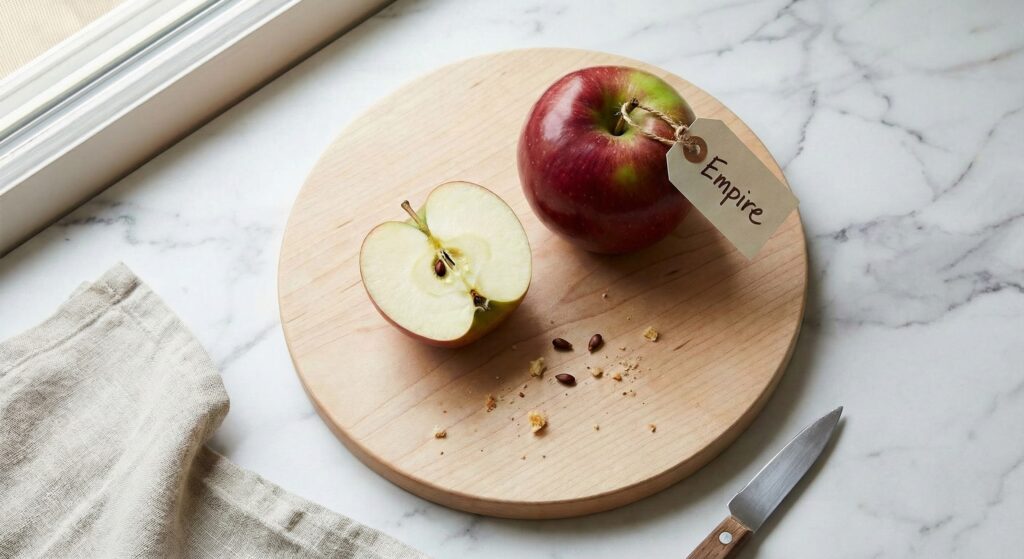
Empire apples are a classic New York-bred variety, created as a cross between Red Delicious and McIntosh. Their crisp, juicy texture and balanced sweet-tart flavor make them superb for fresh snacking, salads, and kids’ lunchboxes. Because they hold their shape well during cooking, they’re also terrific in pies, crisps, and applesauce. Their deep red exterior and firm flesh make them easy to prepare and versatile for seasonal dishes.
Fuji
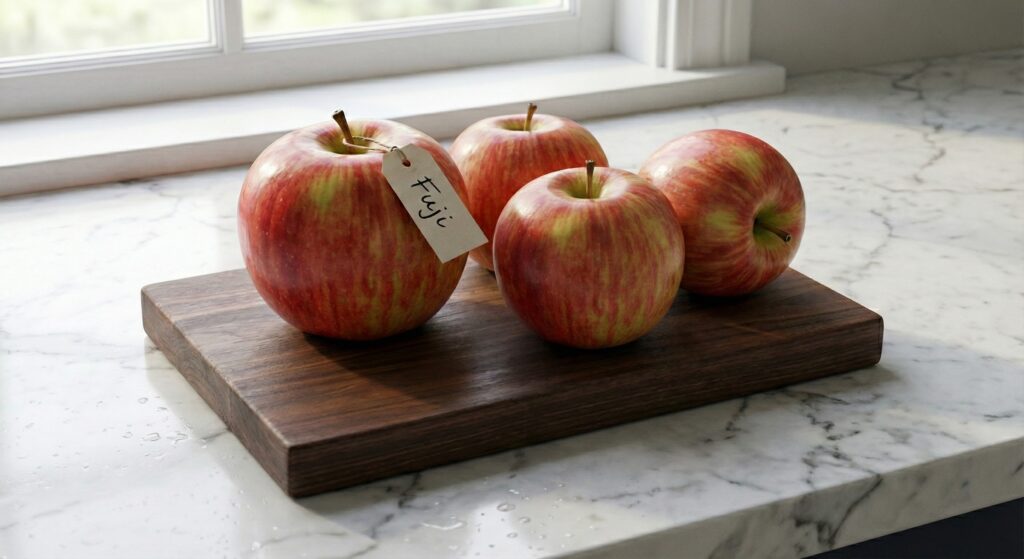
Named after Japan’s iconic Mount Fuji, Fuji apples are prized for their sweetness and exceptional firmness. Their yellow-red striped skin and juicy, crunchy flesh make them a favorite for eating fresh out of hand or slicing into salads. Fuji apples also resist browning, making them convenient for meal prep and fruit trays. While they are sweet enough to enjoy as a snack, they also lend themselves to light baking and applesauce when balanced with a more tart variety.
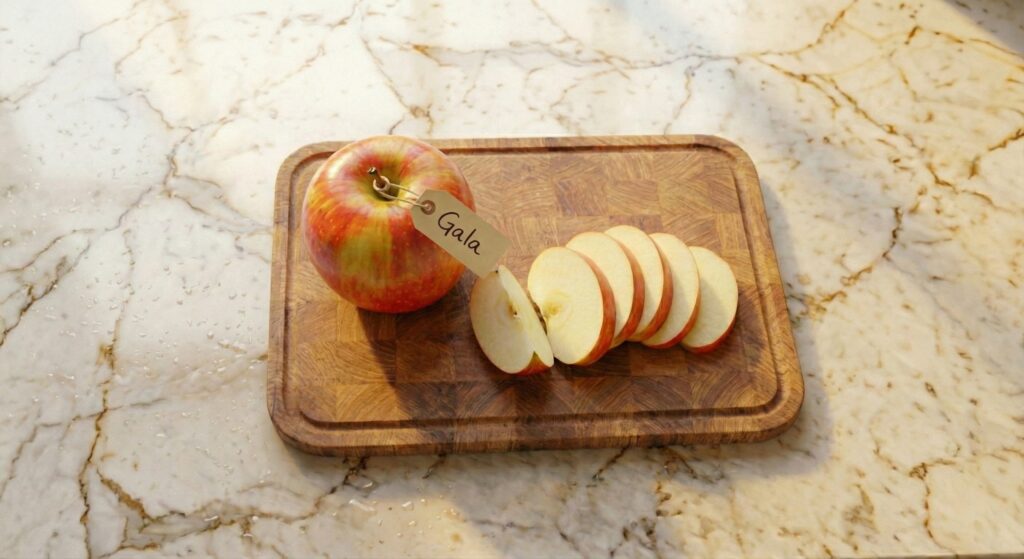
Gala
Gala apples are intensely sweet and crisp, with delicate floral notes and juicy flesh that make them perfect for everyday snacking. Their color ranges from creamy yellow to a warm red-striped exterior, making them as beautiful on your table as they are delicious. Their sweetness also pairs well with savory elements like sharp cheeses or salty nuts. Gala apples work well in salads, quick breads, and sauces that don’t require long cooking.
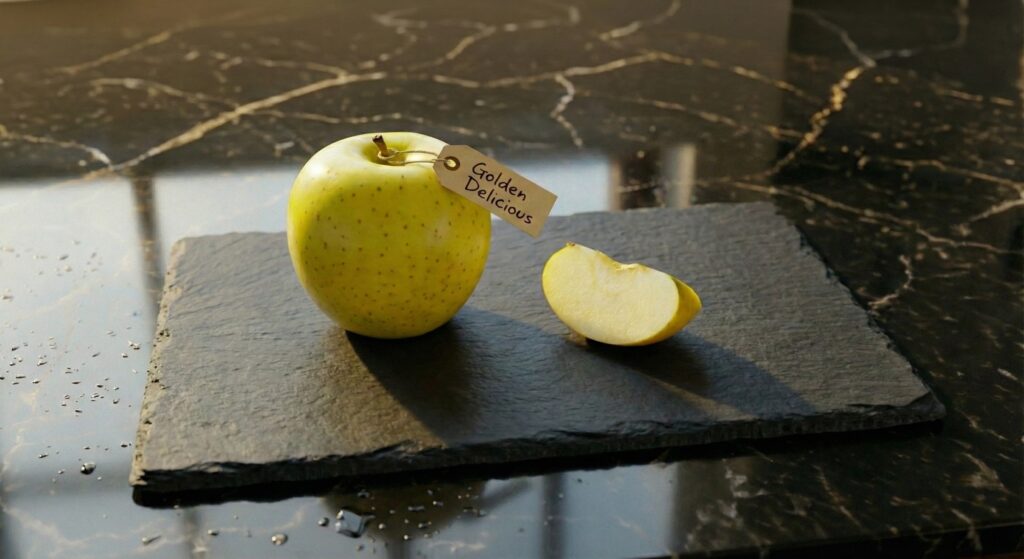
Golden Delicious
Golden Delicious apples are prized for their mellow sweetness and versatility. With a yellowish-green skin and tender, juicy flesh, they are excellent eaten fresh, tossed into a salad, or baked in pies and crisps. Their flesh resists browning, which makes them a great choice for fruit platters and prepped fruit dishes. These apples also bring structural integrity to baked goods thanks to their balanced sweetness and texture.
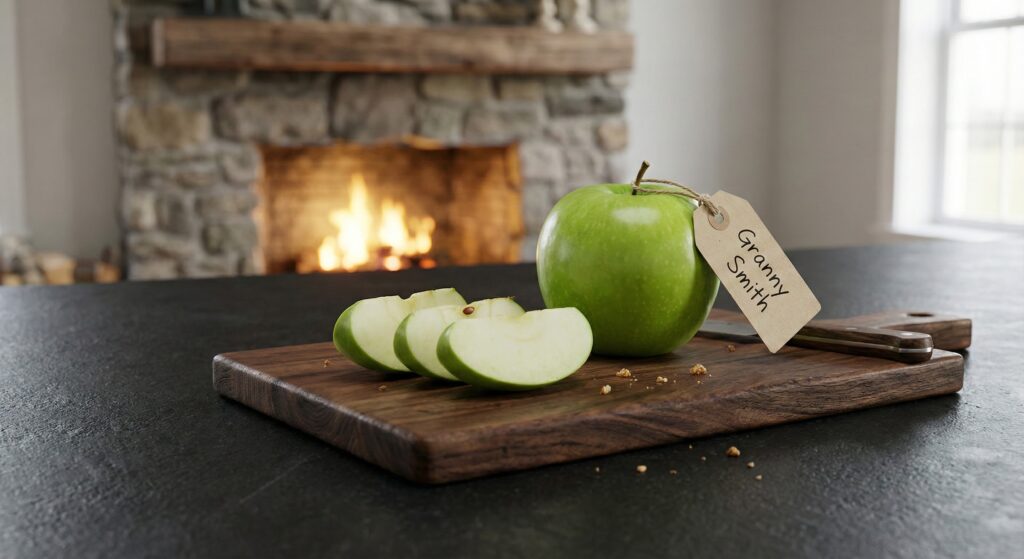
Granny Smith
Granny Smith apples are known for their vibrant green color and bright, tart flavor, which gives them a zingy punch in both eating and cooking applications. Their firm texture holds up beautifully in pies, sauces, and sautés, providing a pleasing contrast to sweeter dishes. The high acidity also slows browning, making them ideal for salads, fruit platters, and meal prep.
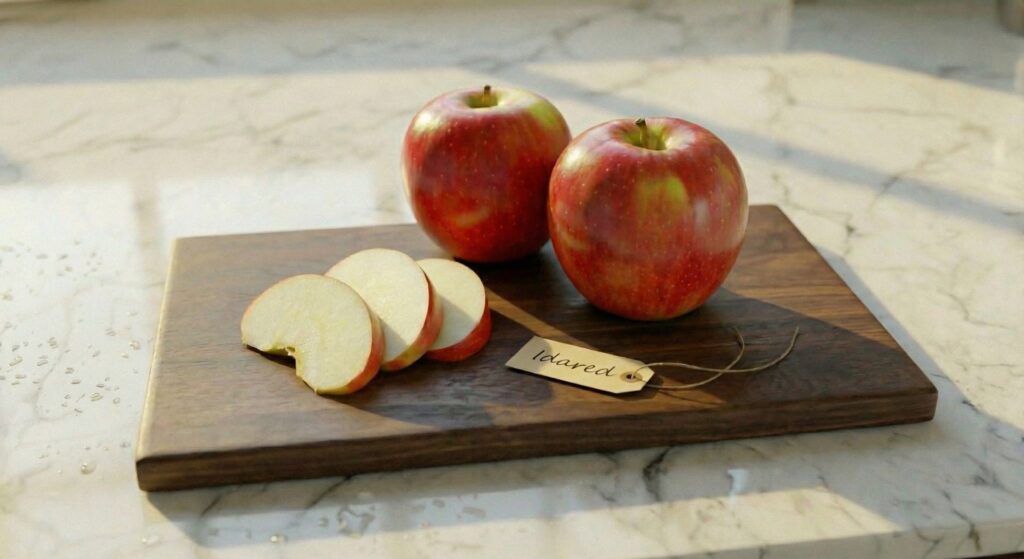
Idared
Idared apples are a crisp, tangy variety developed in Idaho, with white flesh that delivers balanced tartness and juiciness. Their firm texture makes them excellent for both snacking and cooking — especially in apple pie and sauces where you want slices to hold their shape under heat. With a bright red skin and good storage life, Idared apples are a reliable fall and winter choice.
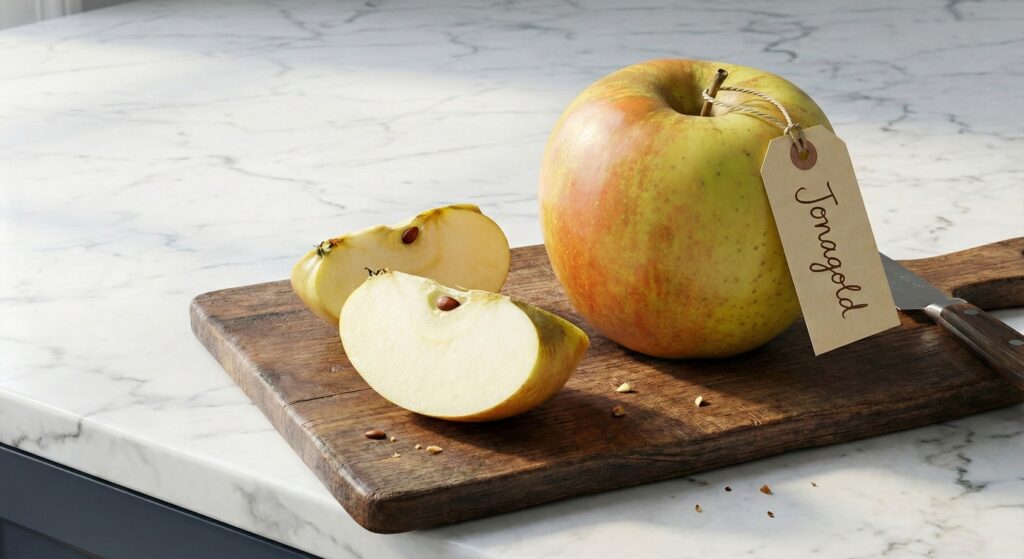
Jonagold
Jonagold apples combine the best traits of Jonathan and Golden Delicious apples — honeyed sweetness with a hint of tartness and a crisp, juicy bite. Their yellow-green base skin with a rosy blush makes them visually appealing and flavorful. These apples are fantastic for eating fresh, baking, and roasting, and their balanced flavor helps bridge sweet and savory recipes.
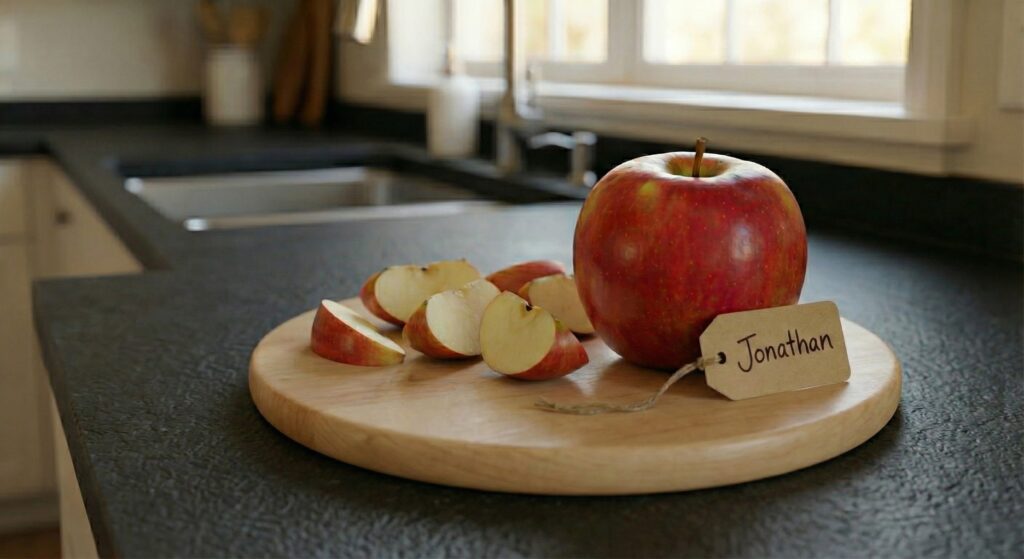
Jonathan
Jonathan apples are a cherished heirloom variety with a crisp texture and bright, sweet-tart flavor that’s perfect for pies, sauces, and cider blends. Their smooth skin and medium size make them easy to work with, and their flavor adds both acidity and depth to sweet dishes. Jonathan apples also pair well with spices like cinnamon and cloves.
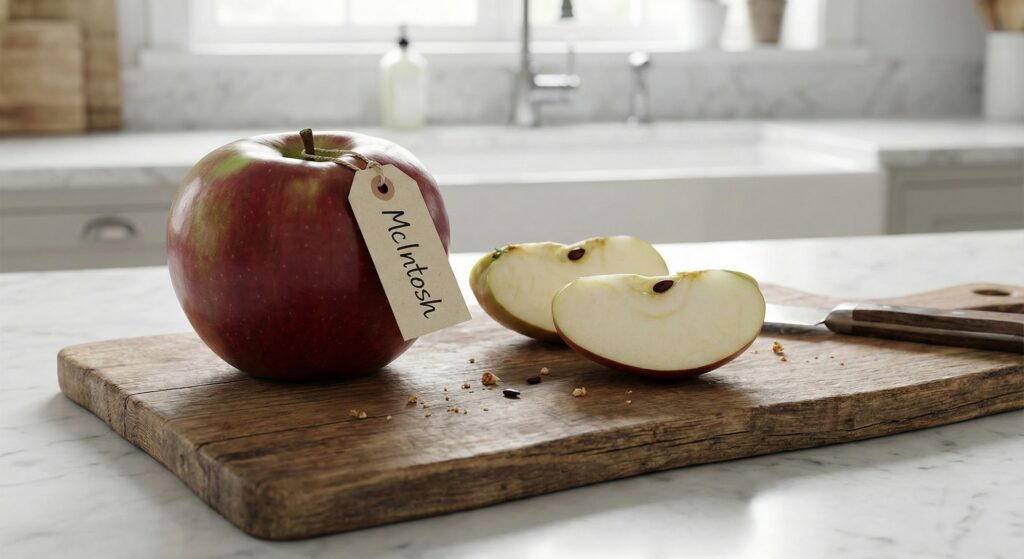
McIntosh
McIntosh apples offer a juicy, flavorful experience with soft, tender flesh and tangy notes. While they may soften during cooking, they shine in applesauce, baked apples, and salads where their aromatic flavor can take center stage. Their red and green mottled skin hints at the juicy interior that’s both refreshing and rich in character.
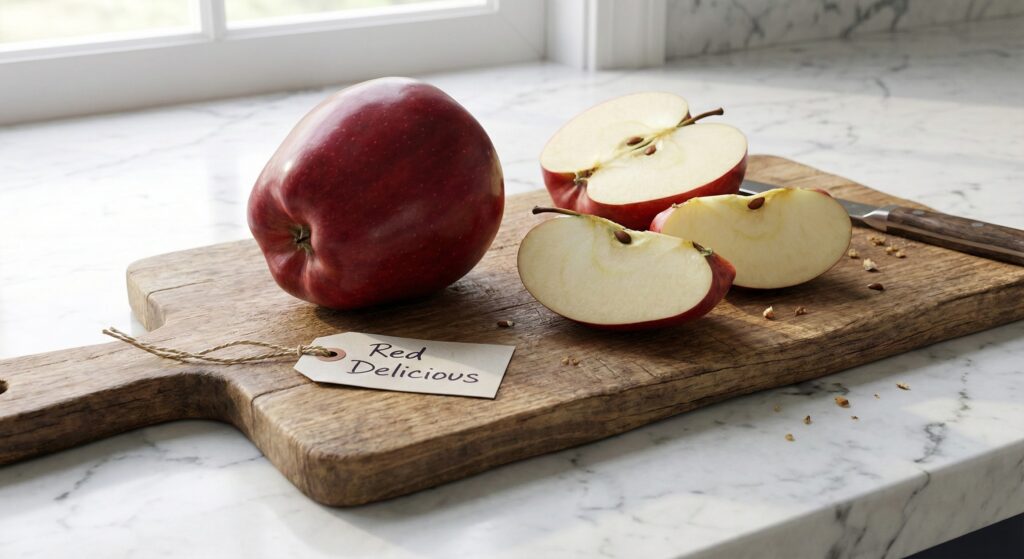
Red Delicious
Red Delicious apples are one of the most recognizable apple types with their distinct deep-red skin and mildly sweet flavor. Best enjoyed fresh, they’re a favorite for snacks and salads. Their lower acidity and delicate sweetness make them a crowd-pleaser for kids and adults alike, though they’re less commonly used in cooked applications due to their softer texture.
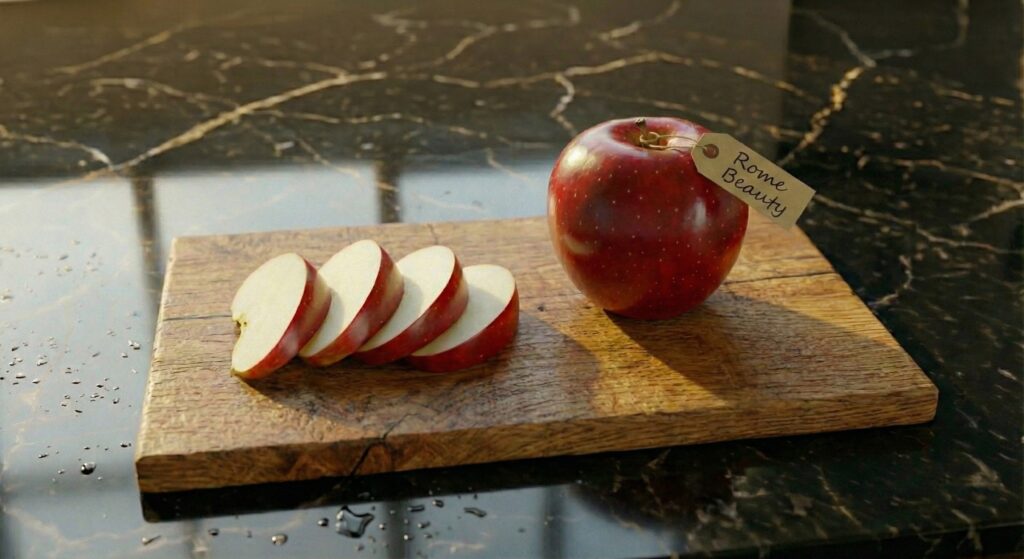
Rome Beauty
Rome Beauty apples (often simply called Rome apples) are classic cooking apples known for their ability to hold shape and texture when heated. With a glossy red skin and firm flesh, they’re ideal for baking, roasting, and sautéing. Their flavor intensifies with heat, making them a staple in traditional American apple dishes like cobblers and baked apples.

 Loading...